

Ergonomic Office Chair for Enhanced Comfort, Optimal Support, and Healthier Posture during Long Hours of Work
Dec 19,2025

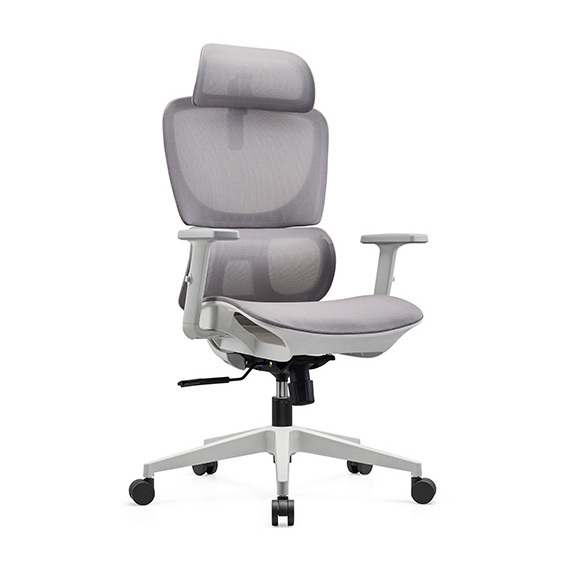
An ergonomic office chair is an essential piece of office furniture designed to provide superior comfort, optimal support, and promote a healthier posture during long hours of work. With the increasing number of individuals spending extended periods of time sitting at desks, the importance of ergonomic chairs has become even more apparent. These chairs are specifically designed to support the body’s natural curves and reduce strain on key areas such as the lower back, neck, and shoulders, which are often affected by poor posture or inadequate seating.
The primary design feature of an ergonomic office chair is its ability to adjust to the user’s unique body shape and sitting preferences. Most ergonomic chairs come with several adjustable components, including seat height, backrest tilt, armrest positioning, and lumbar support. These adjustments help ensure that the chair fits the user’s body properly, providing support where it is needed the most.
One of the most important features is the adjustable seat height. It allows users to position their feet flat on the floor, which promotes proper blood circulation and reduces the pressure on the thighs and lower back. The seat height can be adjusted via a pneumatic lever, ensuring that individuals of various body types and desk heights can achieve a comfortable sitting posture.
The backrest of an ergonomic office chair is designed to provide support to the natural curve of the spine. It helps maintain the proper alignment of the back and reduces strain on the spine, particularly the lower back. Many ergonomic chairs include adjustable lumbar support, which can be positioned to provide extra support to the lower back area, preventing slouching and alleviating pressure on the spinal discs.
Ergonomic chairs often feature adjustable armrests that can be raised, lowered, or moved forward and backward. Properly positioned armrests help support the arms and shoulders, reducing strain and discomfort from prolonged typing or mouse use. Adjustable armrests also allow the user to keep their arms at a 90-degree angle, promoting good posture and preventing strain on the shoulders and neck.
The seat of an ergonomic chair is usually padded with high-density foam or memory foam, providing a comfortable and supportive sitting surface. The cushion is designed to distribute body weight evenly, preventing pressure points and ensuring comfort over long hours. The materials used for cushioning and upholstery are also selected for their breathability, allowing air circulation to keep the user cool and comfortable during extended sitting.
Many ergonomic chairs come with a swivel function, allowing users to rotate the chair easily. This enhances mobility, making it easier to access different areas of the workspace without straining the body. The chair’s base typically features smooth-rolling casters, enabling easy movement on most floor surfaces. Some models also include locking mechanisms to keep the chair stationary when needed.
The benefits of using an ergonomic office chair extend far beyond comfort and aesthetics. These chairs play a crucial role in promoting good posture, reducing the risk of musculoskeletal disorders, and preventing long-term health problems related to sitting for extended periods.
One of the most significant health benefits of ergonomic office chairs is the prevention of back and neck pain. Poor posture, especially when sitting for long hours, can lead to strain on the spine and muscles, resulting in discomfort and pain. An ergonomic chair provides proper lumbar support, encourages correct spinal alignment, and reduces the risk of developing chronic back pain or neck stiffness.
Sitting for long periods can impede blood circulation, particularly in the lower body. An ergonomic chair encourages proper posture, ensuring that the thighs are parallel to the floor, and the feet are flat. This helps maintain healthy blood flow and reduces the likelihood of experiencing numbness, swelling, or fatigue in the legs and feet.
By providing proper support and comfort, ergonomic chairs help users remain more comfortable and focused throughout the workday. When sitting in a well-supported chair, individuals are less likely to experience discomfort or distraction from pain, allowing them to stay more engaged and productive in their tasks.
Long-term exposure to poor posture and uncomfortable seating can lead to more serious health issues, such as chronic pain, nerve damage, or even spinal problems. Ergonomic chairs are designed to reduce the risk of such issues, ensuring that the user’s posture is well-supported and aligned to prevent future discomfort or injury.
Choosing the right ergonomic office chair depends on various factors, such as the user’s body type, personal preferences, and the specific work environment. Look for a chair with multiple adjustable features, including seat height, backrest angle, armrest positioning, and lumbar support. The more adjustable the chair, the better it can be customized to fit the user’s body and needs.
Choose a chair with breathable, durable materials that provide comfort over extended periods. Look for cushioning that is firm enough to support your body weight without being too hard or too soft. The seat depth and width should be appropriate for the user’s body size. The seat should allow for a few inches of space between the back of the knees and the edge of the seat to ensure proper circulation and comfort.
Consider the type of flooring in your workspace. If you have carpeted floors, look for chairs with casters designed for that surface. If you have hard floors, ensure the chair’s casters are suitable for smooth movement. Invest in a chair made from high-quality materials that ensure durability and longevity. A well-built ergonomic chair will provide lasting support and comfort for many years.
An ergonomic office chair is a key element of a productive and healthy work environment. By promoting proper posture, supporting the spine, and reducing the risk of discomfort and injury, these chairs help individuals stay focused, comfortable, and efficient throughout their workday. Whether used in a home office, corporate setting, or at a shared workspace, an ergonomic chair is a smart investment in both health and productivity.
Latest News
Say Goodbye to Discomfort: Unleashing the Benefits of Ergonomic Gaming Chairs

The Ultimate Guide to Choosing the Perfect Executive Office Chair
E-mail:
WhatsApp:

SAF Coolest v1.3.1.2 设置面板 GAGSE-ZGYF-JEAFE-ZFE
https://dc.thefastmake.com/index.html?configure=--enable-dom-interceptor